Scottish Television, National Stories, Identity and Culture – Through the Eyes of Actor Paul McCole
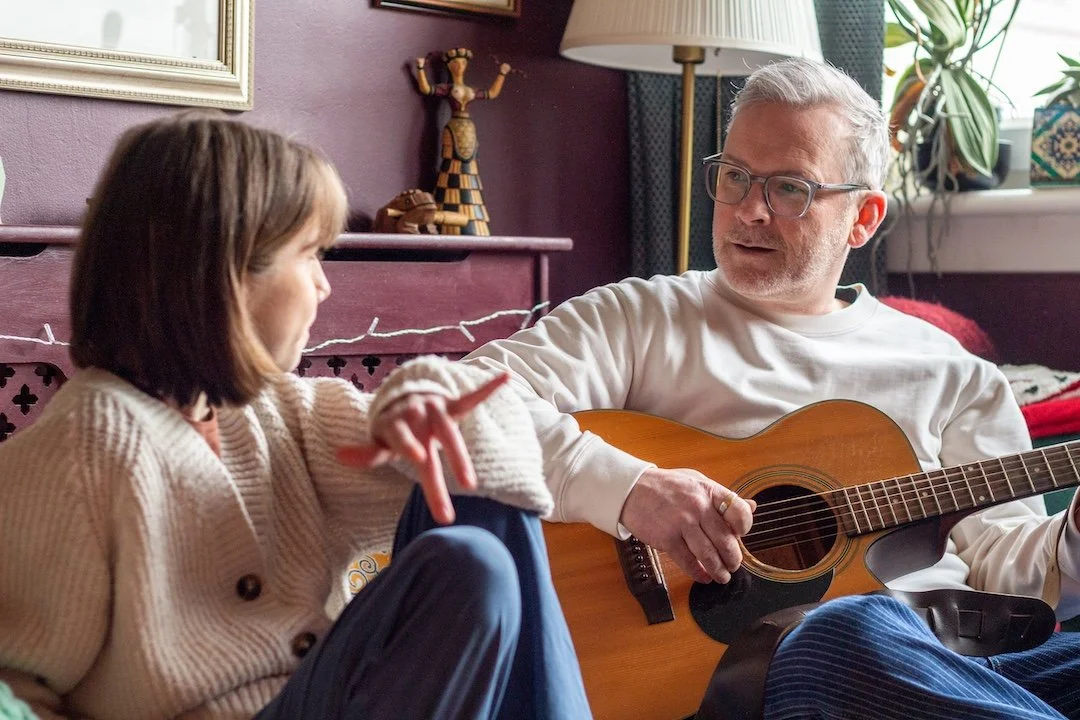
Our writer Devon McCole sits down with her dad, actor Paul McCole, to discuss the impact of Scottish representation in TV and film on our national cultural identity.
By Devon McCole | Photos by Laura Vroomen, some provided by Paul McCole
I always remember my dad acting when I was growing up – from smaller roles on big TV shows like Taggart or Still Game (the dodgy polis) to more regular roles in iconic shows like High Times and Limmy’s Show.
I didn’t think too much at the time. He got into acting when I was very wee, so it was normal enough – especially because in between roles I’d always see him doing odd jobs like driving taxis and doing food deliveries to “keep the wolves from the door”, as he always puts it. It wasn’t like he was a celebrity, not through my eyes at least.
My dad started acting in his late twenties, whereas his brother, Steven McCole, had chased the ambition from childhood. While my dad had an aptitude for acting in school, he never saw it as a career option, but he remembers how dedicated his younger brother was to the profession; always calling himself an actor and putting himself out there, eventually getting roles in big films like Wes Anderson’s Rushmore in the 90s. Feeling quite inspired, “and maybe wee a bit envious,” my dad decided to pursue it himself after ten years working in the railway, raising a young family.
It was always exciting to see dad on TV, not just because I got to see him work but because I enjoyed a lot of the shows he was in. It’s only upon reflection that I see how much those shows shaped my childhood and my grasp of Scottish culture.
I was interested in his perspective, so we sat down for a chat.
“Scottish film particularly felt kinda big and important when I was growing up. It felt like they spoke about our stories,” he told me. “Like Comfort and Joy, which was about the ‘ice cream van wars’ in the ‘80s, and That Singing Feeling – about these wee guys who are kind of on their backside, planning this heist. The way they spoke to each other, the language they used was very recognisable and very funny.”
There was no shortage of quotable Scottish TV shows growing up. Taggart was the biggest crime drama in Scotland; while High Times was Scotland’s answer to Shameless, a show that was "equally unapologetic and a bit grimy,” according to my dad – and I agree, having seen it time and time again on YouTube.
For me, Still Game is like home when you switch it on. You recognise the patter, the satirical take on people we’ve all met in real life in one form or another. Limmy’s Show is, for me, Scotland’s greatest tragicomedy, with characters like Jaqueline McCatherty and Dee Dee holding up a mirror to the shadows of Scottish society with a dark sense of humour, but always with a dose of sympathy.
Having appeared in some of these shows over the years, I asked my dad for his take: “When I first started out doing shows like Taggart and Still Game, culturally I didn’t really think of the impact of what it meant to have original shows like that; for our self-esteem, as a people, as a country, and for our culture.
“Certainly, now, twenty-odd years later, I’m realising how few and far between shows like that, which were unapologetically Scottish – but also had mass appeal – were. They were phenomenal things, and I got to work with fantastic Scottish writers.”
It was interesting that he shared the same…nostalgia, maybe?... that I felt about the TV shows I grew up with. That, now, something is missing without them.
“Maybe it’s because we don’t take chances as much as we used to,” he goes on. “Would commissioners bring back Still Game if it were a newly pitched show today, two pensioners freezing in their flat like in the episode Cauld in that kind of comedy format? Would they see the value in taking a risk like that? These shows were about us being truthful and telling our own national stories in our own voice, and I don’t think it’s enough to say they don’t translate.”
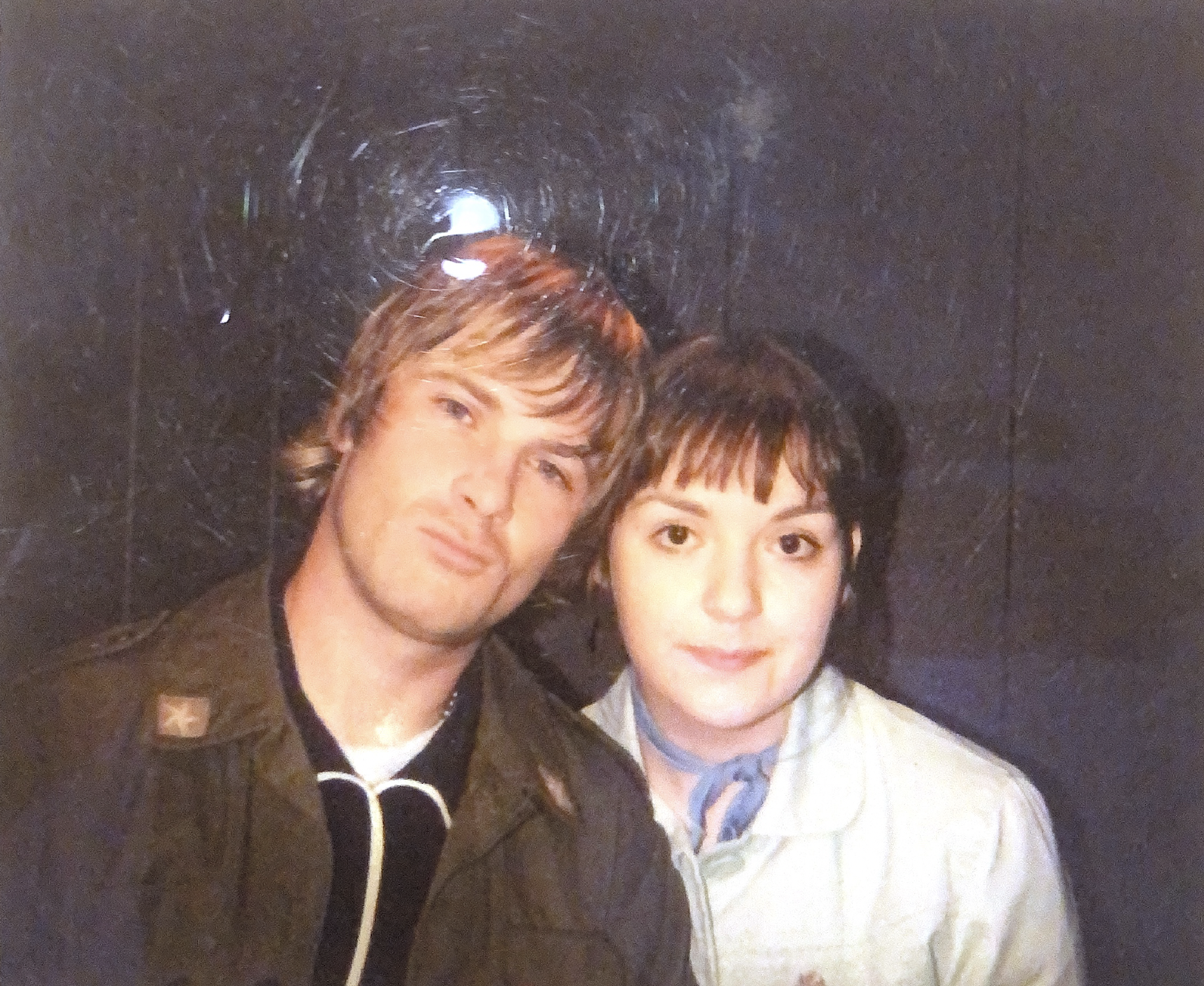
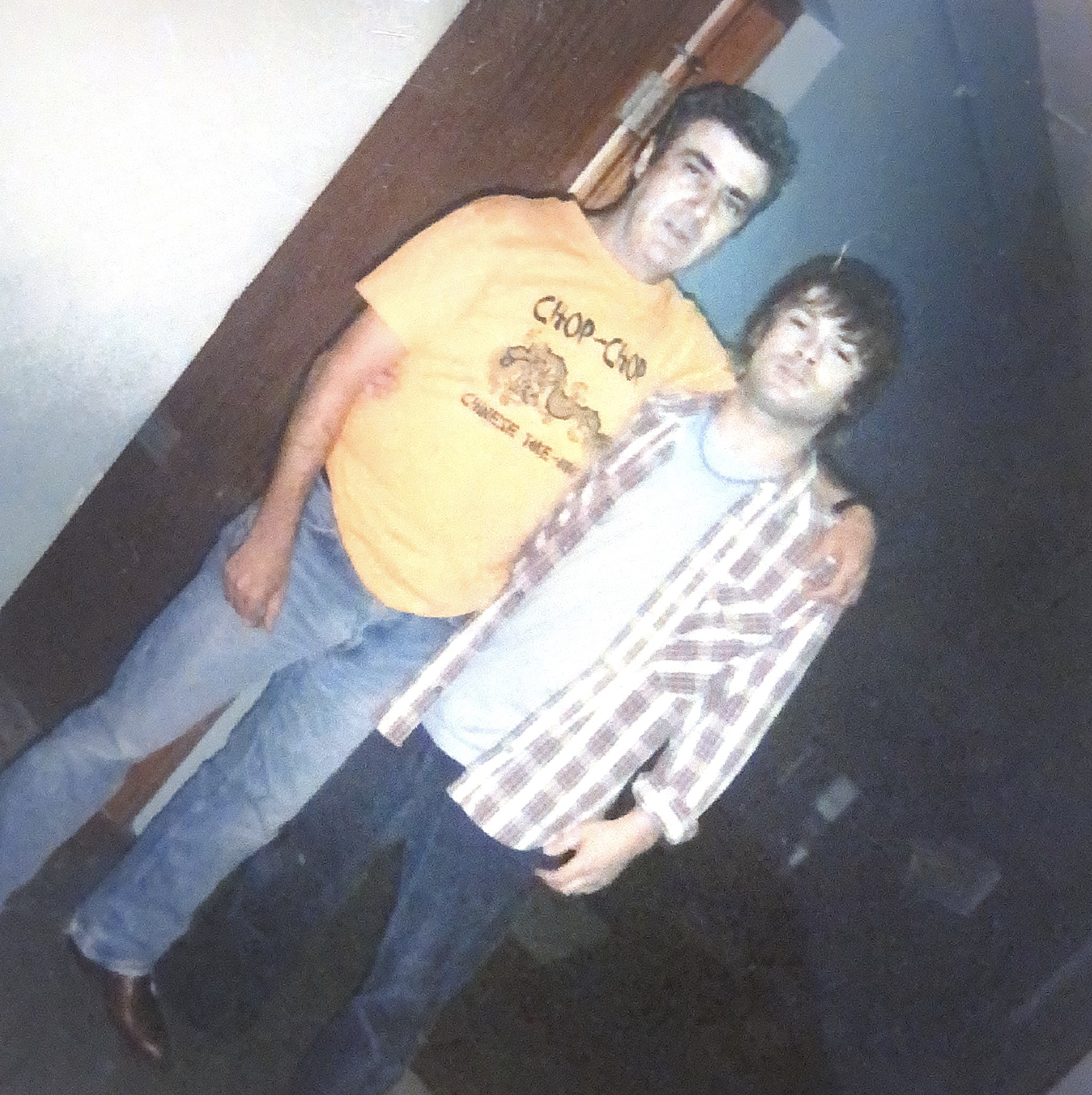
Backstage at High Times, provided by Paul McCole
“When I was doing High Times, it was an original show, it was on STV, and it was a black comedy about working class people living in high-rise flats and how their paths crossed. I was in that with my brother, and it was one of my first big TV gigs. The first season did really well. We made a second series, which ended up being the last season because I guess, somewhere along the line, there just wasn’t an appetite for it”
“I remember I was working in the Silverburn Centre and getting phone calls from South American journalists who wanted to do interviews and were thinking we were all really famous over here. It was the second biggest exported UK show in South America at the time. Apparently, there’s Portuguese-dubbed versions of High Times out there somewhere. So Scottish stories, the language, if you ask me, it translates.”
Limmy’s Show is popular not just among Scots, but in England, the US and elsewhere. It has reached cult status because it has resonated with so many people, all whilst using very Scottish language and dealing with some heavy themes in a typically dark, self deprecating, satirical fashion.
According to my dad: “Limmy’s Show was a phenomenal show, and experience. It’s a very intellectual show, and it’s very weird, you either love or hate it, I think. You get it or you don’t. It’s very relatable stuff, just approached with this odd but brilliant sense of humour.”
“He’s incredibly clever (Limmy) and on a completely different wavelength to anyone else I've ever known. There were lots of honest elements throughout the show and I think, beyond that, people understood he was operating on a very intellectual level. I mean, there’s a sketch I was in, set entirely around what you say when you want to go for a haircut, being awkward and not knowing what to do. It’s relatable, daft, but a wee bit philosophical as well.”
It’s not hard to feel incredibly protective of programmes like Limmy’s Show, Still Game and High Times. Some have stood the test of time, with series after series and Hydro shows selling out. Others have stood the test of time with only a couple of series to their name because they were relatable and so revisitable.
But what about Scottish TV today? Well, Scotland’s soap opera River City will see its last series air on STV soon. Something that I know my dad sees as a monumental loss, not just for actors, but writers and producers who cut their teeth on the homegrown production.
“River City being cancelled is a devastating blow for a lot of folk. A lot of people get their start there. A lot of mid-level crew are coming in, with very experienced heads guiding some of the less experienced, and that goes right across the board.
“When River City’s production is in full swing, there’s about 200-odd people working there. If that was a factory, or another more obviously recognised, traditional industry that was losing those amount of jobs, I think it would be taken more seriously. It’s an issue we have in the arts, that it’s seen as a luxury profession or a hobby, almost.
“I think it’s because of austerity, but I think it’s also ‘cause people don’t realise the value of the arts. Not until it’s gone do ye eventually realise the importance of yer cultural outlets like film, telly, theatre and music.”
Coming from a working class background, and in my dad's case, starting a family young, makes pursuing creative opportunities particularly difficult. But it’s the arts that connect us and allow us to tell our stories. There’s always an appetite for that among people, to see risks being taken, to see reflections of themselves on the screen – even if the appetite isn’t there for commissioners.
The publisher acknowledges receipt of the Scottish Government’s Scots Language Publication Grant towards this publication.